When the Market Eats Your Bet: Surviving Flash Crashes and Manipulation in Crypto Wagering
Traditional sports betting has its own problems—juice, line movement, account restrictions—but there's one thing a Vegas sportsbook almost never does: evaporate your position in 90 seconds because a single whale decided to move the market.
Crypto betting is a different beast entirely. The same blockchain infrastructure that makes it decentralized, permissionless, and censorship-resistant also makes it a hunting ground for sophisticated actors who know exactly how to exploit thin liquidity and slow-moving retail participants. If you're betting on crypto platforms without understanding how these dynamics work, you're not just playing the odds—you're playing against people who wrote the rulebook.
Let's get into it.
What a Flash Crash Actually Looks Like in This Context
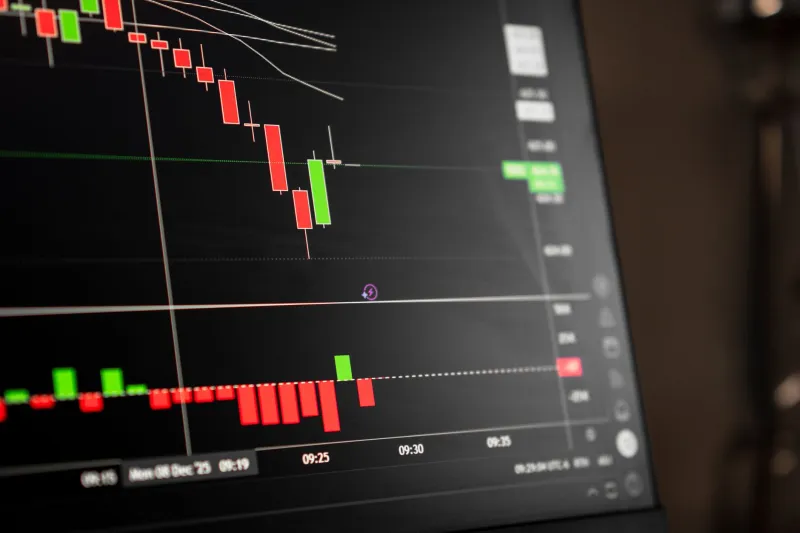
A flash crash in crypto markets is exactly what it sounds like: a violent, near-instantaneous price collapse—sometimes followed by a partial recovery—that happens faster than most humans can process, let alone react to.
In traditional finance, flash crashes are scary but relatively rare. In crypto, they're almost a seasonal occurrence. The May 2021 Bitcoin crash wiped out over 30% of value in a matter of hours. The Terra/LUNA implosion in May 2022 was essentially a 99.9% drawdown over days. In crypto betting markets specifically, these events compound because your position's value is tied to an underlying asset that can swing violently and the platform's own liquidity can dry up simultaneously.
For bettors using leveraged positions—common on decentralized prediction markets and some crypto sportsbooks—a flash crash doesn't just mean your bet loses. It can trigger forced liquidation, meaning the platform automatically closes your position at the worst possible moment, often before you've even had time to see the alert.
Whales: The Apex Predators of Thin Markets
In financial markets, a "whale" is any entity with enough capital to meaningfully move prices. In crypto, that threshold is lower than most people assume. On a platform with $2 million in total liquidity, a single actor with $200,000 can create significant price impact.
Whales use this power in several ways that directly affect bettors:
Spoofing: Placing large fake orders to create the appearance of demand or supply, then canceling them before execution. This can trigger stop-loss orders from smaller participants, creating the price movement the whale wanted in the first place.
Wash trading: Simultaneously buying and selling the same asset across different wallets to inflate volume numbers. On a crypto betting platform, this can make a market look far more active and liquid than it actually is—luring bettors into positions with false confidence.
Coordinated dumps: Whales accumulating a position, creating hype (often via social media), then selling into the retail demand they generated. This is the classic pump-and-dump, and it happens on crypto betting markets tied to token prices more often than platforms will admit.
Bots Don't Sleep and They Don't Care About Your Position
Automated trading bots are another layer of complexity that traditional bettors never have to think about. On blockchain-based platforms, bots can execute transactions in milliseconds, front-running human users by detecting pending transactions in the mempool before they're confirmed.
This practice—called MEV (Maximal Extractable Value) in DeFi circles—means a bot can essentially see your bet before it's processed and position itself to profit from the price movement your transaction will cause. By the time your bet confirms on-chain, the market has already adjusted.
For most casual bettors, MEV is an invisible tax. You don't see it happening, but you consistently get slightly worse execution than you expected. On high-stakes bets, that slippage can be significant.
Warning Signs You're Walking Into a Trap
Not all volatile market events are avoidable, but many of the worst outcomes come with warning signs that informed bettors can spot in advance. Here's what to watch for:
Sudden, unexplained volume spikes. If a market that normally trades $50K a day suddenly shows $500K in volume with no obvious catalyst, something is likely being manufactured. Don't chase that action.
Spreads that blow out without news. In a healthy market, bid-ask spreads stay relatively tight. When spreads suddenly widen dramatically, it usually means liquidity providers are pulling back—often because they know something you don't.
Social media hype that outpaces fundamentals. When a betting market or associated token starts trending on crypto Twitter or Telegram with language like "going parabolic" or "100x incoming," that's frequently the distribution phase of a pump-and-dump. The people telling you to buy are often the ones selling.
Anonymous or unaudited platforms. Rug pulls—where platform developers simply drain liquidity and disappear—are unfortunately still common in the less regulated corners of crypto betting. Before you deposit anything meaningful, look for audited smart contracts, transparent team information, and a track record that extends beyond six months.
Liquidity that's shallower than advertised. Some platforms display impressive-looking order books that are artificially padded. Try placing a large test transaction and observe the slippage. If the price impact is dramatically higher than expected, you're in a thin market regardless of what the UI tells you.
How to Protect Yourself Without Sitting on the Sidelines
None of this means you should avoid crypto betting markets entirely—the opportunities are real, and the best platforms have made significant strides in transparency and security. But operating without guardrails in this environment is genuinely dangerous.
A few practical protections:
- Avoid over-leveraging during high-volatility windows. Major macro events—Fed announcements, large protocol upgrades, regulatory news—can trigger cascading liquidations. Reduce leverage or stay flat during known volatility windows.
- Set hard liquidation buffers. If a platform allows you to set stop-loss levels, use them. Set them wider than you think you need to, because flash crashes can gap right through tight stops.
- Stick to platforms with deep, verifiable liquidity. More liquidity means whales have less price impact and your exits are cleaner.
- Treat anonymous platforms like anonymous counterparties. Because that's exactly what they are.
The crypto betting space rewards the informed and punishes the complacent. Understanding that you're operating in a market where sophisticated actors are actively working to extract value from less-prepared participants isn't paranoia—it's just an accurate read of the landscape. Know what you're walking into, and you'll be in a much stronger position to come out ahead.