Boring Coins, Bigger Profits: Why Chasing Bitcoin's Wild Swings Is Killing Your Betting Edge
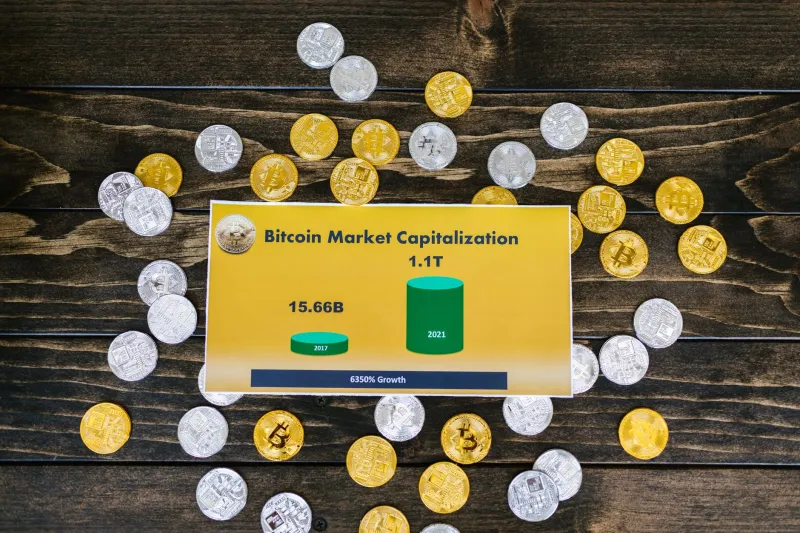
There's something almost magnetic about Bitcoin. The charts spike, crypto Twitter erupts, and suddenly every bettor on the planet wants a piece of the action. It feels like opportunity. It feels like edge.
Most of the time, it isn't either.
The dirty secret of crypto betting — one that experienced players quietly exploit while newcomers chase the dragon — is that lower-volatility assets often produce better, more consistent outcomes for your bankroll. Not because they're more exciting. Precisely because they aren't.
Let's break down why.
The Volatility Illusion: Big Moves Don't Mean Big Edges
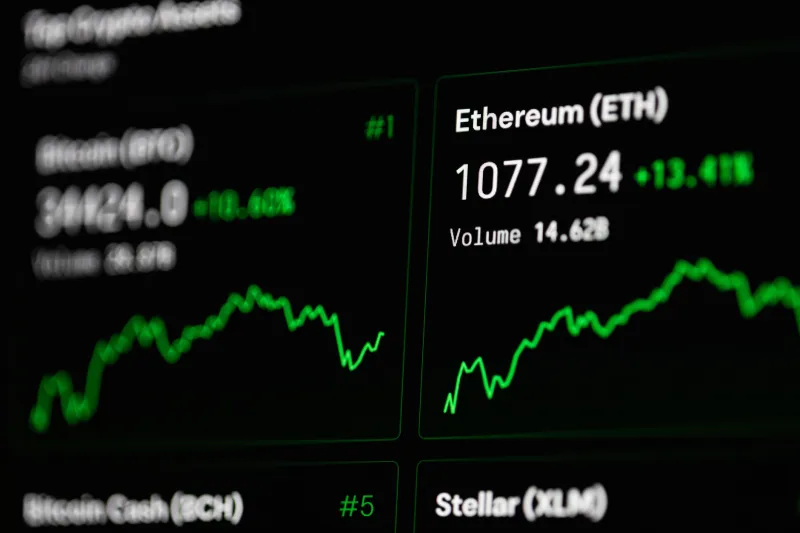
When Bitcoin swings 12% in a single afternoon, it feels like the market is handing out free money. And sure, if you called the direction right, you're sitting pretty. But here's the problem: high volatility cuts both ways with ruthless symmetry. The same force that can double your position can crater it before you finish your coffee.
In betting terms, volatility isn't edge — it's noise. Real edge comes from finding situations where your read on an outcome is more accurate than the market's pricing. And when an asset is bouncing around violently, the market's pricing is chaotic, your risk of mistiming entries is elevated, and your bankroll can take structural damage that has nothing to do with your actual skill.
A bettor using Bitcoin as their wagering currency during a high-volatility period faces a double-edged problem: their bet might win, but the asset they're holding to fund future bets could lose 15% overnight. That's a tax on your bankroll that never shows up in your win/loss column.
The Quiet Math of Stable Assets
Now consider what happens when you run your bankroll through lower-volatility assets — think established mid-cap altcoins with deep liquidity, or stablecoins pegged to the dollar.
With stablecoins especially, what you see is what you get. Your $500 bankroll is $500 tomorrow morning. You're not waking up to find out your betting capital shrank by 20% because Elon tweeted something cryptic at 2 a.m. That predictability has real mathematical value.
Here's a simple way to think about it: if your edge on a particular bet type is, say, 4% over the long run, but Bitcoin's volatility introduces a random ±10% swing to your bankroll each week, your edge is essentially getting swallowed by noise. You need a much larger sample of bets to even see your edge materialize — and most bettors don't have the bankroll depth or the patience to weather that.
With a stable asset, that 4% edge compounds cleanly. The math works for you instead of against you.
Altcoin Sweet Spots: Not All Volatility Is Created Equal
Here's where it gets interesting. Between the extremes of Bitcoin's wild rides and stablecoin flatlines, there's a whole spectrum of altcoins with volatility profiles that can actually match specific betting strategies.
Take a mid-cap altcoin with strong fundamentals and reasonable liquidity — something like a Layer 2 token with steady network growth. It'll move with the broader market, sure, but its swings are typically more measured than Bitcoin's, and its price action is often more responsive to identifiable on-chain catalysts rather than pure sentiment.
For a bettor with a longer time horizon — someone running a season-long sports betting strategy, for instance — holding such an asset to fund wagers can mean modest appreciation without the stomach-churning drops. You're getting some upside exposure to crypto markets without betting your entire bankroll strategy on Bitcoin's next mood swing.
The key question to ask yourself: does the volatility profile of my chosen asset match the time horizon and risk tolerance of my betting strategy? A day bettor needs stability. A long-term accumulator might tolerate moderate volatility. Almost nobody benefits from maximum chaos.
Matching Your Crypto to Your Betting Style
This is where most US bettors leave serious money on the table. They pick their crypto based on what's trending or what their group chat is hyping, then try to retrofit a betting strategy around it. That's backwards.
Start with your betting strategy first. Ask yourself:
- How frequently am I betting? Higher frequency means you need more liquidity and price stability.
- What's my average bet size relative to my bankroll? Bigger bets demand more predictable capital.
- How long do I hold funds between withdrawals? Longer holding periods increase your exposure to price swings.
- What's my actual edge, and how many bets do I need to prove it? Smaller edges need calmer waters to surface.
Once you've answered those, map them to an asset class. If you're a high-volume sports bettor grinding out small edges on NFL spreads every Sunday, stablecoins are your best friend. If you're a more selective bettor making fewer, higher-conviction plays over weeks or months, a lower-volatility altcoin might give you some upside without wrecking your capital base.
The Psychological Edge Nobody Talks About
There's another dimension here that doesn't show up in spreadsheets but absolutely shows up in your results: mental clarity.
When your bankroll is bouncing around like a meme stock, it messes with your head. You start chasing losses that aren't actually betting losses — they're just Bitcoin being Bitcoin. You make emotional decisions. You over-bet to "make back" what the market took from you, even though the market's movement had zero connection to your betting skill.
Lower-volatility assets remove that psychological static. Your wins are your wins. Your losses are your losses. You can actually learn from your data instead of trying to untangle it from crypto market noise.
For US bettors trying to build a serious, long-term wagering operation — rather than just gambling on gambling — that clarity is worth more than most people realize.
The Apolo.bet Takeaway
Bitcoin will always have a gravitational pull. That's fine — it's a legitimate asset with real utility in the crypto betting world. But treating it as the default currency for your entire wagering operation, simply because it's the most famous, is a strategy built on vibes rather than math.
The sharpest bettors running crypto wagering strategies right now aren't necessarily the ones with the most Bitcoin exposure. They're the ones who've mapped their asset choices to their actual strategy, matched their volatility tolerance to their bankroll depth, and stopped letting headline-grabbing price action distract them from the real game.
Boring can be very, very profitable. The coins nobody's talking about might be doing the most work for your bottom line.
Bet smarter. The exciting play isn't always the smart play.