Beat the Clock: Why Timing Your Crypto Bets Is the Edge Most Players Ignore
Most bettors obsess over the obvious stuff—picking winners, managing their bankroll, shopping for the best lines. All of that matters. But there's a layer underneath those fundamentals that casual players almost never think about: when you pull the trigger.
In traditional sports betting, timing is mostly about line movement. In crypto betting, though, timing takes on an entirely different dimension. You're not just racing against oddsmakers adjusting spreads. You're operating inside a market that can swing 5% in the time it takes you to finish your coffee. That changes everything about how you should approach execution.
Why Crypto Moves Faster Than Any Other Market You've Bet In
Stock markets close at 4 PM Eastern. Sportsbooks sometimes pull lines overnight. Crypto doesn't sleep, and neither do the inefficiencies baked into it.
Bitcoin, Ethereum, and the altcoins you might use to fund your account at Apolo.bet are trading 24/7 across hundreds of exchanges worldwide. Prices on those exchanges don't always agree with each other—not even close, sometimes. That fragmentation creates windows where a sharp, fast-moving bettor can capture value that simply didn't exist five minutes earlier and won't exist five minutes later.
Think of it like this: imagine a sportsbook posts a line before a key injury report drops. There's a brief moment where the line doesn't reflect reality. The bettors who move first capture the value. Everyone else gets the adjusted number. Crypto markets have these moments constantly, and they're often more predictable than random injury news.
Arbitrage Windows: Real, Brief, and Worth Understanding
Crypto arbitrage—buying an asset on one exchange where it's cheaper and selling it on another where it's priced higher—is a well-documented phenomenon. For bettors, a similar dynamic plays out when platform-specific odds or token-denominated payouts temporarily diverge from broader market conditions.
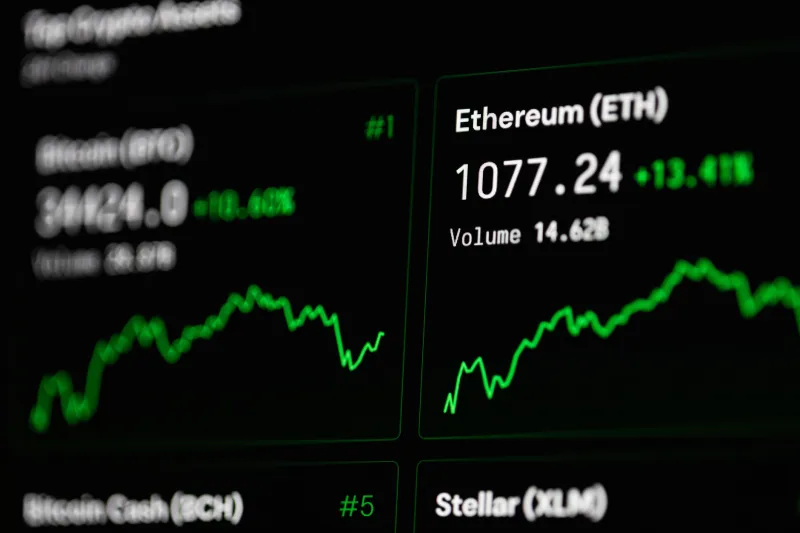
Here's a practical example. Say you're placing a wager denominated in ETH. If ETH just spiked 8% in the last hour and the platform hasn't fully recalibrated its payout structures yet, the real value of what you're wagering—and what you could win—is different from what the interface is showing you in dollar terms. A bettor who understands this and acts quickly is playing a different game than someone who logs in, glances at the dollar figure, and places a bet without thinking about the underlying asset's recent movement.
These windows don't stay open long. Platforms update. Markets correct. The arbitrage evaporates. But for the bettor who's paying attention, these moments are like a door left unlocked.
Volatility Spikes and the Pre-Surge Window
One of the most underappreciated timing advantages in crypto betting isn't about arbitrage at all—it's about placing wagers before volatility hits rather than during it.
Crypto volatility tends to cluster. After a long quiet period, the market often explodes in one direction or another. Traders call this a volatility squeeze. For bettors, what matters is that during the calm before the storm, your crypto bankroll's purchasing power is stable, spreads are tighter, and platforms are operating smoothly. The second a major move kicks off, things get chaotic: gas fees spike on Ethereum-based platforms, transaction confirmations slow down, and some platforms temporarily restrict deposits or withdrawals.
If you're planning to fund an account or move a significant amount for a big wager, doing it before the chaos hits means you're transacting at favorable rates with less friction. Waiting until you're reacting to a market event almost always means you're paying a premium—in fees, in slippage, or in missed opportunity.
Practical Tools for the Everyday US Bettor
You don't need a Bloomberg terminal or a co-located server in a data center to improve your timing game. There are accessible, free, or low-cost tools that any US-based bettor can use right now.
On-chain gas trackers like ETH Gas Station or similar tools let you see when network congestion is low, meaning your transactions will confirm faster and cost less. Timing a deposit during an off-peak period—often late night US time or early weekend mornings—can shave real money off your transaction costs.
Volatility indices and fear/greed meters for crypto (Crypto Fear & Greed Index is a popular one) give you a rough read on market sentiment. Extreme fear often precedes sharp bounces. Extreme greed can signal a correction coming. Neither is a guarantee, but as a timing signal for when to be active versus when to sit back, they're genuinely useful.
Exchange price comparison tools let you see in real time if the asset you're holding is trading at a premium or discount on the platform you're using versus broader market rates. A 1-2% discrepancy might not feel like much on a small bet, but at scale or over time, it compounds.
Price alert apps on your phone mean you don't have to stare at charts all day. Set alerts for key levels—when Bitcoin crosses a threshold you care about, your phone buzzes and you can decide whether to act. Passive monitoring beats active anxiety every time.
The Human Timing Trap: Don't Confuse Urgency With Speed
Here's the part most timing articles skip: moving fast isn't the same as moving smart. The psychological pressure of watching a market move in real time can make you feel like you need to act right now or you'll miss everything. That's the trap.
True timing edge is about preparation, not reaction. The bettors who consistently capture value from timing advantages aren't the ones frantically clicking during a price spike. They're the ones who already had a plan, set their parameters in advance, and executed calmly when their pre-defined conditions were met.
This is why having a personal betting playbook matters so much. When you've already decided what conditions trigger a specific type of wager, you're not making a decision under pressure—you're just executing a plan you made with a clear head. The timing advantage comes from being ready, not from being impulsive.
Speed as a Skill, Not Just a Feature
When you think about what separates recreational bettors from people who actually build sustainable edges, execution quality almost never comes up in casual conversation. Everyone talks about picks, parlays, and bankroll percentages. Almost nobody talks about the friction cost of slow execution, the value lost to bad timing, or the opportunities that only exist for a 30-second window.
At Apolo.bet, we're built around the idea that crypto isn't just a payment method—it's an entirely different operating environment that rewards players who understand how it actually works. Speed is part of that. Not reckless speed, but deliberate, prepared, informed execution.
The market moves constantly. Opportunities open and close in rhythm with global events, network congestion, and trader sentiment. The bettors who treat timing as a skill—something to study, refine, and build systems around—are the ones who stay ahead.
Everyone else is just reacting. And in this game, reacting is usually a step too late.