Mark These Dates: How Bitcoin Halvings, Fed Meetings, and Exchange Listings Can Supercharge Your Betting Strategy
Most bettors treat their bankroll like it exists in a vacuum. They look at odds, maybe check injury reports, and fire away. But if you're wagering with crypto, you're not just dealing with sports outcomes or game probabilities—you're also operating inside a financial ecosystem that moves hard and fast based on events that repeat on a fairly predictable schedule.
The good news? That predictability is an edge. And edges are exactly what separate long-term winners from the crowd.
Let's break down the key events on the crypto calendar and talk about how each one can influence your bankroll, your betting behavior, and the odds themselves.
Bitcoin Halving Cycles: The Four-Year Clock Every Bettor Should Watch
If you've been in the crypto space for more than a minute, you've heard about Bitcoin halvings. Every roughly four years, the reward miners receive for validating transactions gets cut in half. It's baked into Bitcoin's code, and it happens like clockwork.
What's less discussed is how this event tends to move markets—and by extension, the crypto balances people are using to bet.
Historically, the 12 to 18 months following a halving have produced some of Bitcoin's most dramatic bull runs. We saw it after the 2012, 2016, and 2020 halvings. The most recent halving occurred in April 2024, meaning we're currently sitting inside one of those historically fertile windows.
So what does this mean for bettors?
First, during a post-halving bull cycle, your crypto bankroll may be appreciating in real-dollar terms even as you wager. That changes your risk calculus. If BTC is trending up, holding some of your bankroll in crypto rather than converting everything to stablecoins could mean you're sitting on more real purchasing power over time.
Second, heightened market optimism during bull cycles tends to increase overall betting volume on crypto platforms. More liquidity can mean tighter lines and sharper odds. Getting in early—before the broader retail crowd piles in—gives you a window to find value before books adjust.
Third, the pre-halving period (typically a few months before the event) often brings speculative volatility. Prices can swing hard in both directions. If your bankroll is denominated in BTC or ETH, consider hedging into stablecoins ahead of major halving dates to protect your capital from a short-term dip.
Fed Meeting Dates: The Macro Lever That Moves Everything
The Federal Reserve holds eight scheduled meetings per year. At each one, the Federal Open Market Committee (FOMC) makes decisions about interest rates—and those decisions send shockwaves across every asset class, crypto included.
Rate hikes historically put downward pressure on speculative assets like Bitcoin and altcoins. Rate cuts or dovish signals tend to do the opposite, pushing risk-on sentiment and lifting crypto prices.
For US bettors, this matters in a direct way. If you're holding a crypto balance on a betting platform and the Fed announces an unexpected rate hike, you could see your balance drop in USD terms within hours. Conversely, a surprise rate cut or a pause in hikes can pump your balance before you've even placed a single bet.
The practical move here is simple: know the FOMC calendar. It's publicly available and easy to find. In the days leading up to a Fed announcement, consider:
- Reducing your exposed crypto balance if rate hike fears are dominating headlines
- Keeping more capital active if the market is pricing in cuts or a dovish pivot
- Watching betting line movement on major sports events that overlap with FOMC dates—books and sharp bettors are also watching macro conditions, and line movement can get weird around high-volatility windows
Think of FOMC meetings as mini-earthquakes on your betting calendar. Most of the time the tremors are mild. Occasionally, they rattle everything.
Exchange Listings: The Short-Fuse Catalyst
When a token gets listed on a major exchange—Coinbase, Binance, Kraken—it often explodes in price within hours. The so-called "Coinbase effect" has been well-documented: retail demand floods in, liquidity spikes, and early holders can see massive gains in a short window.
For bettors, exchange listings matter in a couple of ways.
If you hold smaller altcoins as part of your crypto stack, a surprise listing announcement can suddenly inflate your bankroll value. That's not a reason to go on a reckless betting spree, but it is a moment to reassess your position. Locking in some of those gains by converting to stablecoins or BTC is a legitimate move.
More interestingly, some crypto-native betting platforms offer markets around listing events themselves. Will Token X get listed on a top-five exchange by a certain date? These prop-style markets reward research. If you're plugged into crypto Twitter, Discord communities, and on-chain activity, you may spot listing signals before they hit the mainstream press.
Listing rumors also generate volatility in the days before an announcement. Tokens that are heavily speculated to be listed can run up 20-50% on whispers alone. Being aware of these dynamics helps you understand why your crypto balance might be moving even when nothing obvious is happening in the news.
Building Your Personal Betting Calendar
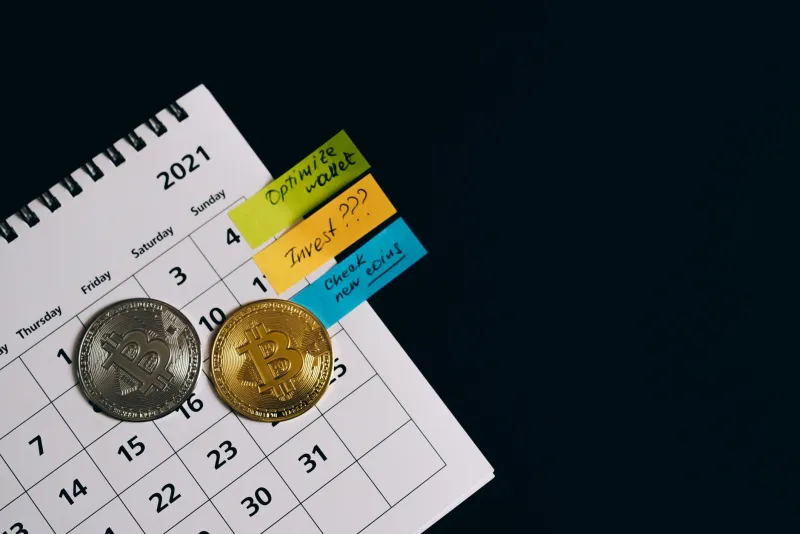
Now that you understand the three major event types, here's a simple framework for building your own crypto betting calendar:
Monthly: Check the FOMC meeting schedule at the start of each month. Note the date, mark it, and check in on market sentiment in the week leading up to it.
Quarterly: Review where we are in the Bitcoin halving cycle. Are we pre-halving, in the immediate aftermath, or deep into a bull or bear phase? Adjust your willingness to hold crypto versus stablecoins accordingly.
Ongoing: Follow reputable crypto news sources for exchange listing announcements and rumors. Set up alerts for major tokens in your portfolio. Know that listing events can move markets fast and without much warning.
Before major sporting events: Cross-reference your betting calendar with the macro calendar. A Super Bowl week that coincides with an FOMC meeting is a different environment than one that doesn't. Factor that context into how aggressively you're positioning.
The Information Edge Is Right There for the Taking
Here's the honest truth: most recreational bettors are not doing any of this. They're focused purely on the games, not on the financial ecosystem surrounding their wagers. That's completely understandable—it's a lot to track.
But if you're serious about being a smarter bettor over the long run, treating your crypto wagering like a disciplined financial activity rather than a casual hobby is where the real edge lives. The calendar events we've covered aren't secrets. They're public, predictable, and largely ignored by the average bettor.
At Apolo.bet, the whole idea is that you bet smarter—not just harder. And smarter means understanding that your bet doesn't start when you click confirm. It starts the moment you decide how to hold your bankroll, when to deploy it, and what's happening in the world that might affect both sides of that equation.
The crypto betting calendar is one of the most underused tools in a bettor's kit. Start using it.