The Price of Prestige: What Big-Name Crypto Betting Platforms Are Really Costing You

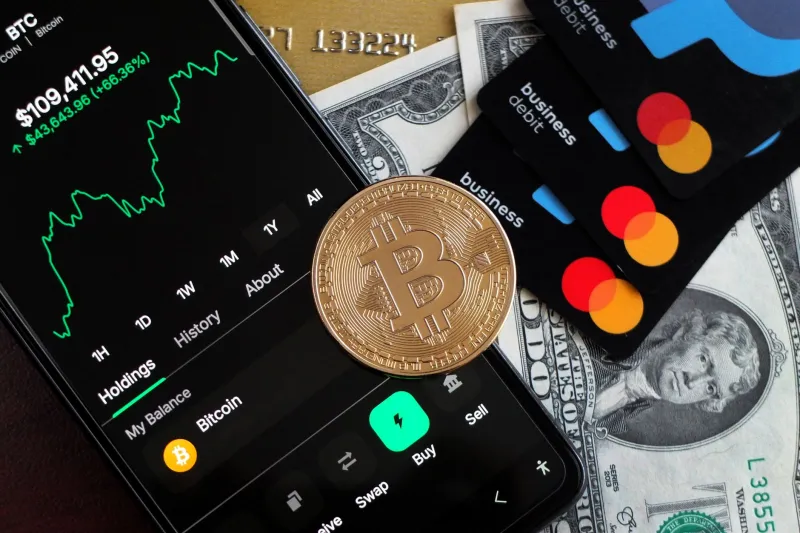
Photo: cryptocurrency fees hidden costs comparison magnifying glass financial documents, via www.shutterstock.com
There's a reason the biggest names in crypto betting spend millions on sponsorships, stadium deals, and influencer campaigns. Brand recognition is a moat — and once you trust a platform, you stop reading the fine print. That's exactly when the fees start stacking up.
This isn't a hit piece on the industry. Plenty of platforms operate with genuine integrity. But if you've ever wondered why your crypto balance after a winning week looks a little lighter than expected, you're not imagining it. The difference between what you won and what you actually walked away with is where this story lives.
The Withdrawal Fee Shuffle
Let's start with the most obvious culprit: withdrawal fees. On traditional sportsbooks, these are easy to spot because they show up as a line item. On crypto platforms, they get messier.
Some of the biggest names in the space don't charge a flat withdrawal fee — instead, they adjust the network fee calculation in their favor. You might see a stated fee of "network cost only," but the actual amount deducted is padded by 15–30% above the real on-chain transaction cost. On small withdrawals, that's a few bucks. On larger ones, it starts to sting.
Smaller, newer platforms — the ones that can't afford to coast on name recognition — often publish exact fee schedules with real-time blockchain data to back them up. That's not an accident. Transparency is their competitive weapon because they can't win on marketing budgets.
Spread Markup: The Fee That Doesn't Look Like a Fee
This one catches even experienced bettors off guard. On crypto platforms that also offer exchange-style wagering or in-play markets, the odds you see aren't always the raw market odds — they're marked up.
A spread markup works like this: the true implied probability on a game might sit at -108 on both sides. But what you see displayed is -115. That 7-point gap is pure margin, and it compounds every single time you place a bet. Over 500 wagers in a year, that invisible tax on your action can quietly drain hundreds of dollars you never noticed leaving.
The big platforms justify this by pointing to liquidity, faster lines, and better live-betting interfaces. And honestly? Sometimes that's worth it. But you should be making that trade-off consciously, not because you never looked.
Promotional Clawbacks: The Bonus That Takes More Than It Gives
Here's where things get genuinely frustrating. Crypto betting platforms are aggressive with welcome bonuses and reload offers — it's one of the main reasons they've pulled users away from legacy sportsbooks. A 100% deposit match sounds incredible until you read the wagering requirements attached to it.
Typical rollover requirements on big-name platforms hover between 10x and 30x the bonus amount. So if you deposit $500 and get a $500 bonus, you might need to wager $10,000 or more before you can withdraw any of that bonus money. Meanwhile, the odds restrictions buried in the terms mean you can't grind those requirements on the -110 lines you'd normally play — you're funneled toward higher-margin markets.
Smaller platforms, competing on trust rather than flash, have started publishing cleaner bonus structures: lower rollovers, fewer restrictions, and plain-English terms. It's not universal, but it's a trend worth paying attention to.
Calculating Your True Net ROI
So how do you actually figure out what a platform is costing you? It's not complicated, but it does require a few minutes of honest math.
Step 1: Track your gross wins and gross losses over a set period. Don't skip this. Most bettors only remember the wins.
Step 2: Add up every fee you paid. Withdrawal fees, deposit fees (some platforms charge these too), any currency conversion costs if you're moving between coins.
Step 3: Calculate the effective odds you received. Take your average line across all bets and compare it to the market consensus on an odds aggregator. The gap is your spread cost.
Step 4: Factor in bonus value. If you earned a $200 bonus but had to wager $4,000 at -115 odds to unlock it, that bonus cost you in expected value. Run the numbers honestly.
Once you've done this exercise once, you'll never look at a platform's marketing the same way. The "free" stuff is almost never free.
Why Smaller Platforms Are Quietly Winning
The crypto betting space has matured enough that a second tier of platforms — well-funded, technically solid, but without the name recognition of the giants — has started competing almost entirely on fee transparency. They know they can't out-market the household names, so they out-document them.
Published fee schedules updated in real time. Odds sourced from public APIs with no undisclosed markup. Bonus terms written in actual English. These aren't revolutionary features — they're just honest ones. And for a growing segment of US bettors who've started doing the math, honesty is winning.
What to Look for Before You Deposit
If you're evaluating a new platform — or reconsidering one you've been using on autopilot — here's a quick checklist:
- Find the actual withdrawal fee. Not the stated one. Look for user reports on forums and compare against current blockchain gas costs.
- Check the odds against a neutral aggregator. If the lines are consistently worse than consensus, you're paying a hidden vig.
- Read the full bonus terms before opting in. If it takes more than two minutes to find the rollover requirement, that's a red flag.
- Look for a published fee schedule. If it doesn't exist, assume the worst.
- Search for community feedback on payouts. Platforms that drag their feet on withdrawals often have a paper trail on Reddit and crypto forums.
The Bottom Line
Big-name platforms built their reputations on something real — early mover advantage, better interfaces, deeper liquidity. Some of that still holds up. But reputation has a way of becoming a license to get lazy on pricing, and lazy pricing comes out of your pocket.
The smartest bettors in the space right now are platform-agnostic. They keep accounts on multiple sites, compare fees and odds before placing any significant wager, and treat their choice of platform as part of their overall edge — not an afterthought.
At Apolo.bet, we think you deserve to know exactly what you're paying. Because the bet you place is only half the equation. The platform you place it on is the other half.