One Great Month Can Break You: The Hidden Danger of Variance in Crypto Betting
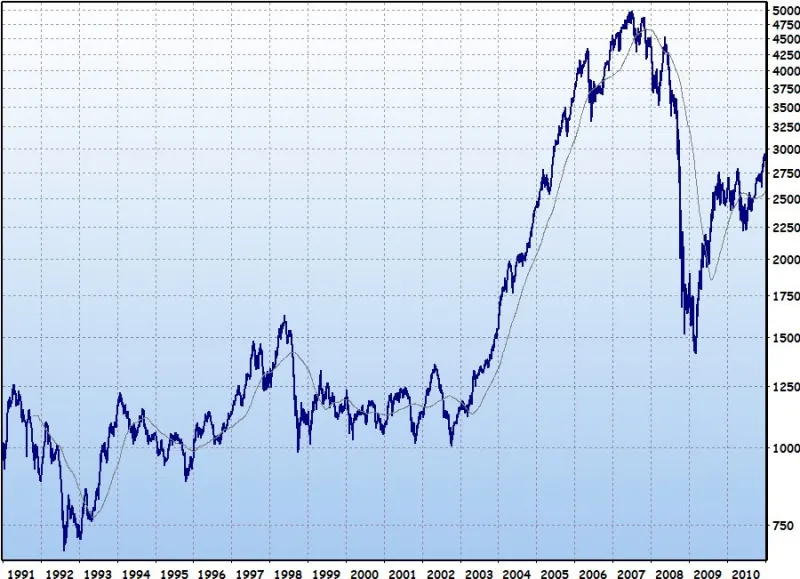
Photo: Unknown, Public domain, via Wikimedia Commons
You just had your best month ever. Up 50%, bankroll looking healthy, every call you made seemed to land right. Maybe you caught a few sharp lines before the market adjusted. Maybe your crypto positions ran hot at the same time your bets were clicking. Whatever the combination, the numbers are glowing green and you feel invincible.
Here's the uncomfortable truth: that feeling is one of the most dangerous states a bettor can be in.
Not because you did anything wrong. But because the human brain is genuinely terrible at separating skill from luck — especially when the results are this good. And in crypto betting, where volatility compounds everything, a +50% month doesn't just make you feel confident. It makes you bet bigger, move faster, and take risks you'd never have touched two months ago. That's the variance trap. And it's where accounts go to die.
What Variance Actually Means (And Why It's Not What You Think)
Most people hear "variance" and think it just means "up and down swings." That's close, but not quite right. In betting terms, variance is the statistical spread of outcomes around your true expected value. Even if your actual edge is razor thin — say, 2% on every bet — variance means you can string together a 15-bet winning run that looks like genius, followed by a 20-bet losing stretch that looks like disaster. Neither run reflects your real edge. They're just noise.
In crypto betting specifically, variance gets amplified in two directions at once. Your wager outcomes have their own statistical variance. And the crypto assets you're using to fund those wagers have their own price variance on top of that. So when you're up 50% in a month, it's often impossible to tell how much came from genuine betting edge, how much came from favorable variance in your results, and how much came from your ETH or BTC simply running hot while you were wagering with it.
Those three things feel identical in the moment. They are absolutely not identical in terms of what they mean for your future results.
The Psychological Override: Why Good Months Make Bad Decisions
There's a well-documented pattern in behavioral finance called "outcome bias" — the tendency to judge the quality of a decision based on its result rather than the process that produced it. Bettors fall into this constantly. Win a parlay you had no business betting and your brain files it as "smart play." It wasn't. It was a good outcome from a questionable process.
After a monster month, outcome bias goes into overdrive. You start increasing position sizes because "I've been on a roll." You take on more leverage because "I clearly have an edge right now." You stop stress-testing your assumptions because recent results feel like all the validation you need.
This is exactly when the math is most likely to come for you.
Here's a real scenario worth sitting with. Imagine a bettor who runs up their bankroll 50% over six weeks, primarily through a combination of sharp NBA line movement calls and riding a Solana-funded account during a SOL rally. Feeling validated, they double their standard unit size and start taking larger positions on crypto derivatives alongside their sports wagers. Then SOL corrects 40%. Their next two weeks of betting hit a cold stretch that would've been totally manageable at their old unit size. Combined, the drawdown wipes out not just the 50% gain but another 20% of their original bankroll. Net result: down 20% from where they started, but psychologically shattered because they'd seen those gains.
That -70% swing from peak to trough didn't happen because they suddenly became a bad bettor. It happened because variance gave them a gift, they mistook it for skill, and they scaled up at exactly the wrong moment.
How to Tell a Real Edge from a Hot Streak
This is the hard part, because there's no perfect answer. But there are frameworks that help.
Log your process, not just your outcomes. For every bet you place, record why you placed it — what was the specific inefficiency you identified, what was your estimated edge, what was the line at the time you bet vs. where it moved? After a winning month, go back and audit those entries. If your reasoning was solid and the lines moved in your favor consistently, you might have genuine edge. If you're looking at a bunch of entries that say "felt good about this one," you had variance.
Apply the replacement test. Ask yourself: if someone else had made every bet I made this month, using the same reasoning I used, would I expect them to replicate these results over 12 months? If the honest answer is "probably not," you're looking at variance, not edge.
Check your win rate against sample size. In betting, a meaningful sample is larger than most people think. Fifty bets is not a significant sample. A hundred bets is barely getting started. If your great month represents 30-40 wagers, the statistical confidence interval on your true win rate is enormous — wide enough to contain both "sharp bettor" and "got lucky" as equally valid explanations.
Separate your crypto asset performance from your betting performance. If you're wagering with volatile assets, track your betting P&L in dollar terms, not in terms of the underlying coin. A 50% month where your coin appreciated 40% and your actual betting added 10% is a very different story than a 50% month where your betting generated all of it.
Protecting Gains Without Killing Your Edge
Once you've genuinely interrogated whether your results reflect skill or variance, the next question is how to protect what you've built without becoming so conservative you stop operating effectively.
The answer most sharp bettors land on: don't change your unit size after a winning month based on results alone. If you're going to scale up, do it based on a pre-planned bankroll threshold you established before the hot streak started. That way, you're not letting recent outcomes make the decision for you.
Consider also withdrawing a portion of big wins rather than rolling everything back into play. This isn't just about locking in profits — it's about forcing a psychological reset. When you take money off the table, you're implicitly acknowledging that the run had an end point, which makes it easier to return to disciplined sizing on the next cycle.
Finally, build in a mandatory review after any month where you're up more than 30%. Not to second-guess yourself, but to make sure you can actually explain the results. If you can walk through each significant bet and articulate the edge, great — proceed with confidence. If the review turns up a lot of question marks, treat the gains as variance income and hold your position sizes steady until the sample grows.
The Long Game Is the Only Game
Crypto betting is built for people who think in longer time horizons than the average player. The blockchain doesn't care about your feelings after a great week. The math doesn't adjust because you're on a roll. Variance exists in both directions, always, and the bettors who survive long enough to build real, sustainable edges are the ones who refuse to let a great month convince them the rules don't apply anymore.
Your best month might genuinely be proof of skill. Or it might be the setup for your worst drawdown. The only way to know the difference — and to protect yourself either way — is to slow down, audit your process, and let the sample size do the talking.
The stars aligned once. Don't bet your whole bankroll that they'll do it again on demand.